

Grant Clauser
—
How to Tell if the Water is Safe
Don’t ask the leopard frog about
the osprey in the sky. Don’t ask
the stickleback about the pickerel
stalking in the weeds. Cryptosporidium
is tasteless. Hope isn’t. It swells
the tongue, shrinks the stomach
into a surgeon’s knot with both
loose ends dragging in your throat.
If you can count the number of dead
fish along the bank. If you can hear
the buzzing of larva stagnating
in a green pool. If you can stand it
enough, like waiting in line in the wind
to vote for another dream killer,
like paying toward a debt
so large your children will inherit
its weight, paying for so long
no one remembers where it began
or if it ever gave anyone any pleasure.
Only then should you cup your hands
and drink.
Baptism Creek
I’ve camped in these woods
for years and never seen a bobcat,
though the forest service says they’re here.
Today I hike down Well’s Hill, cross
Baptism Creek where it murmurs up
from an old wound in the Earth
then dodges boulders and beech trees
to enter Trespass Pond, a water named
for mystery as much as Baptism.
In November every sound becomes the crunch
of leaves, the rising and falling static
of chipmunks stockpiling their dens.
Across the country, families have been hiding
from each other for months. Counting off
the safe days since we breathed without
fear. We know it’s out there, another virus
that waits for us to drop our guard,
our hunger for others' touch sometimes
unbearable. Yesterday rain kept me
in the cabin. Today sun but cold
follows me down Baptism Creek.
I don’t need to see a bobcat to believe
one is out there in this forest.
Its feet padded for stealth. Its nose
and ears tuned to warn when I’m coming.
What We Make of the Mountain
They’re bringing martens back
to the Alleghenies, and drilling wells
to light the cities, and did you
know that salamanders caught
between your fingers, can shed
their tails and live, one wriggly
bit still sticky in your hand
like a kiss, the body already
gone into leaf litter, and even
as my cousin sold his land
for a summer home in Florida,
the voles kept scratching tunnels
in the ground, tiny eyeless
guerrillas of new suburbs, so
when the casino broke
turf for irrigation, they found
mastodons, tigers, bones
that make the coelacanth
look young, and yes, the sea
once rocked here, and buffalo
nursed their calves, but we’ve
got black mold in the resort’s
new dining room, ragweed
in the AC, customers
demanding attention.
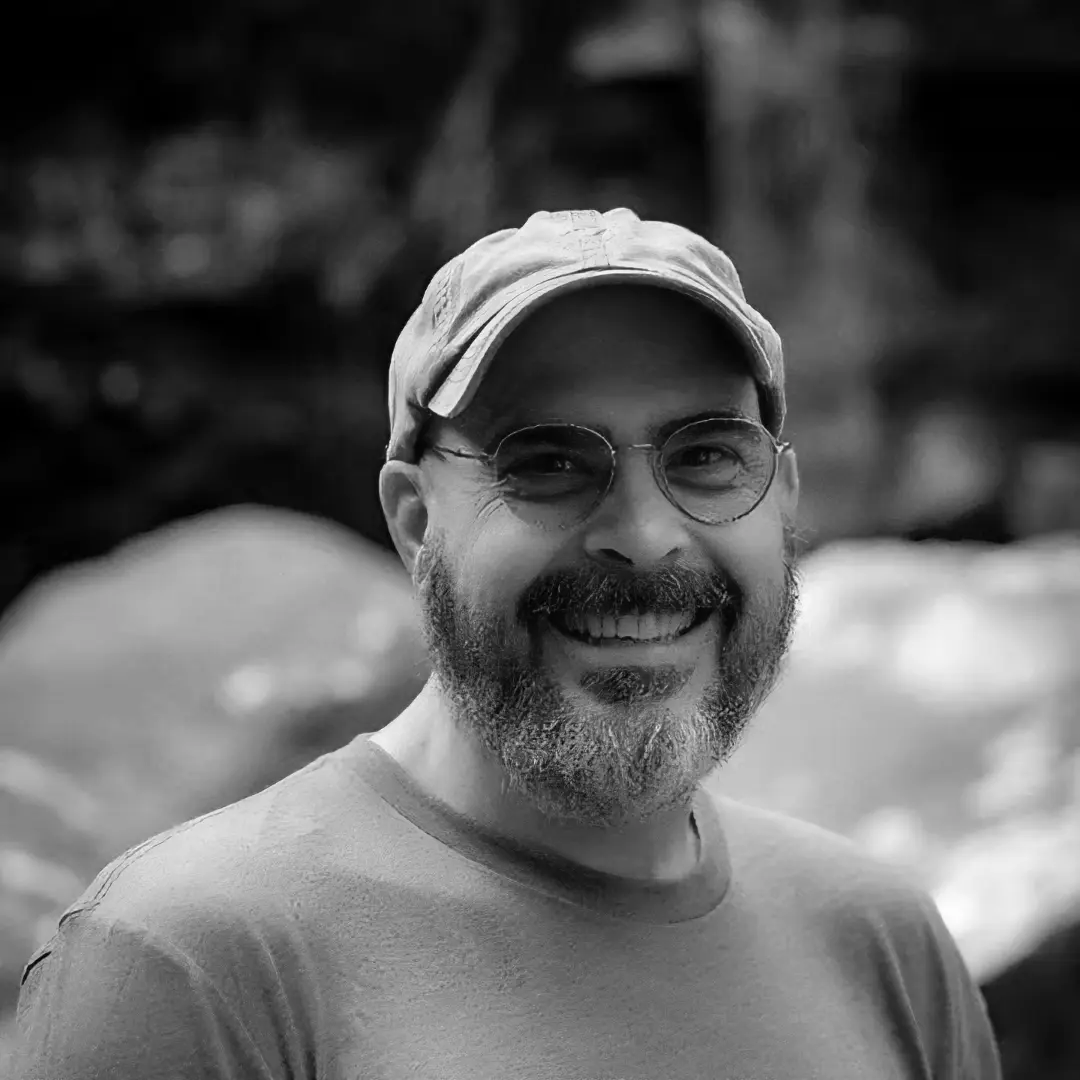
Grant Clauser's sixth book, Temporary Shelters, is forthcoming from Cornerstone Press. His poems have appeared in The American Poetry Review, Greensboro Review, Kenyon Review, and other journals. He lives in Pennsylvania where he works as an editor and teaches poetry at Rosemont College.
© Bear Review 2025
ALL RIGHTS RESERVED
Site Design + Build
October Associates
